8. Capsules and LVGL integration
LVGL is a library that enables the creation of graphical applications for embedded devices and is already compatible with a standalone SO3 environment. From the perspective of MICOFE, LVGL is important because it offers a realistic application class for capsules: graphical workloads that are richer than command-line examples and that make the benefits of isolation, portability, and composition immediately visible.
8.2. Two-stage MMU address mapping
To achieve this, the implementation takes benefit of the two stages of MMU, which gives the physical (PA), intermediate physical (IPA) and virtual (VA) address spaces. The address translation goes from VA to IPA, managed by Linux and the capsules, and then from IPA to PA, managed by the hypervisor AVZ.
To avoid allocating multiple framebuffers and making copies between them, only two buffers are allocated: the one used by the screen driver in Linux and a fake one. A fixed IPA is used for the framebuffer seen by the capsules. Depending on the focused capsule, their respective IPA are either mapped to the actual framebuffer or the fake one.
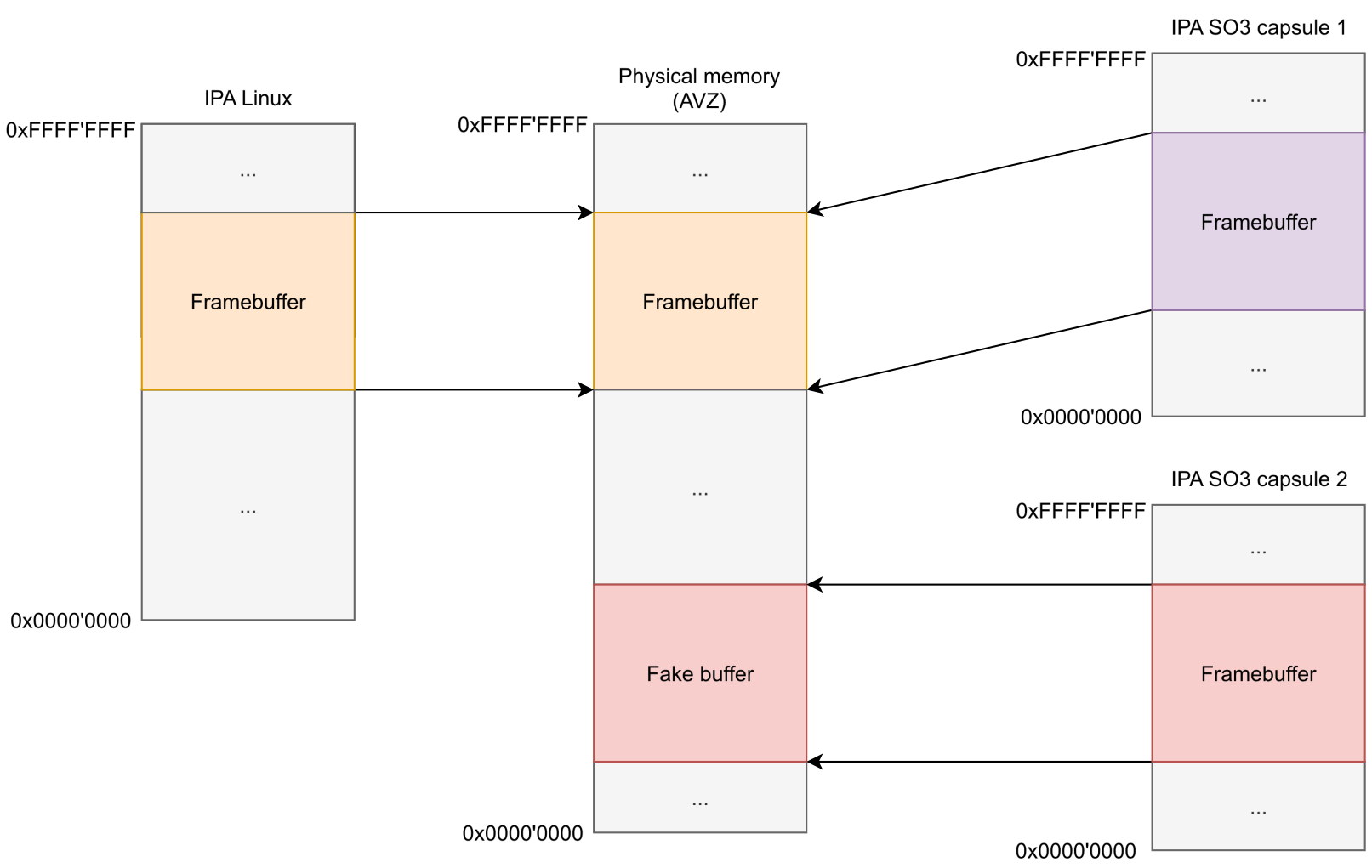
Fig. 8.1 Framebuffer IPA and PA address map
Only the page tables of IPA to PA need to be changed to switch the shown capsules. At any time, the framebuffer must only be mapped to one capsule to avoid glitches on the screen. However, the fake buffer is shared between all hidden capsules, but this is not considered a problem as it is only used to write data and never read.
8.3. Backend / frontend drivers
Like UART, a backend (on Linux) and frontend (on capsules) driver are implemented to share the required information, like the screen size.
A user-space application on Linux is used to get the framebuffer address using
mmap, which is then given to the backend driver via a sysfs file and
transmitted to AVZ with a hypercall. The application then refreshes the screen to
ensure that images are shown correctly at 30 frames per second. A hypercall is also
added to switch focus to another capsule, which is called when switching the
terminal focus with two CTRL+A, ensuring the same capsule is focused on
terminal and screen at the same time.
The frontend driver exposes the virtual framebuffer device to the LVGL application, so it can use the standard API. The framebuffer IPA is retrieved with a hypercall.
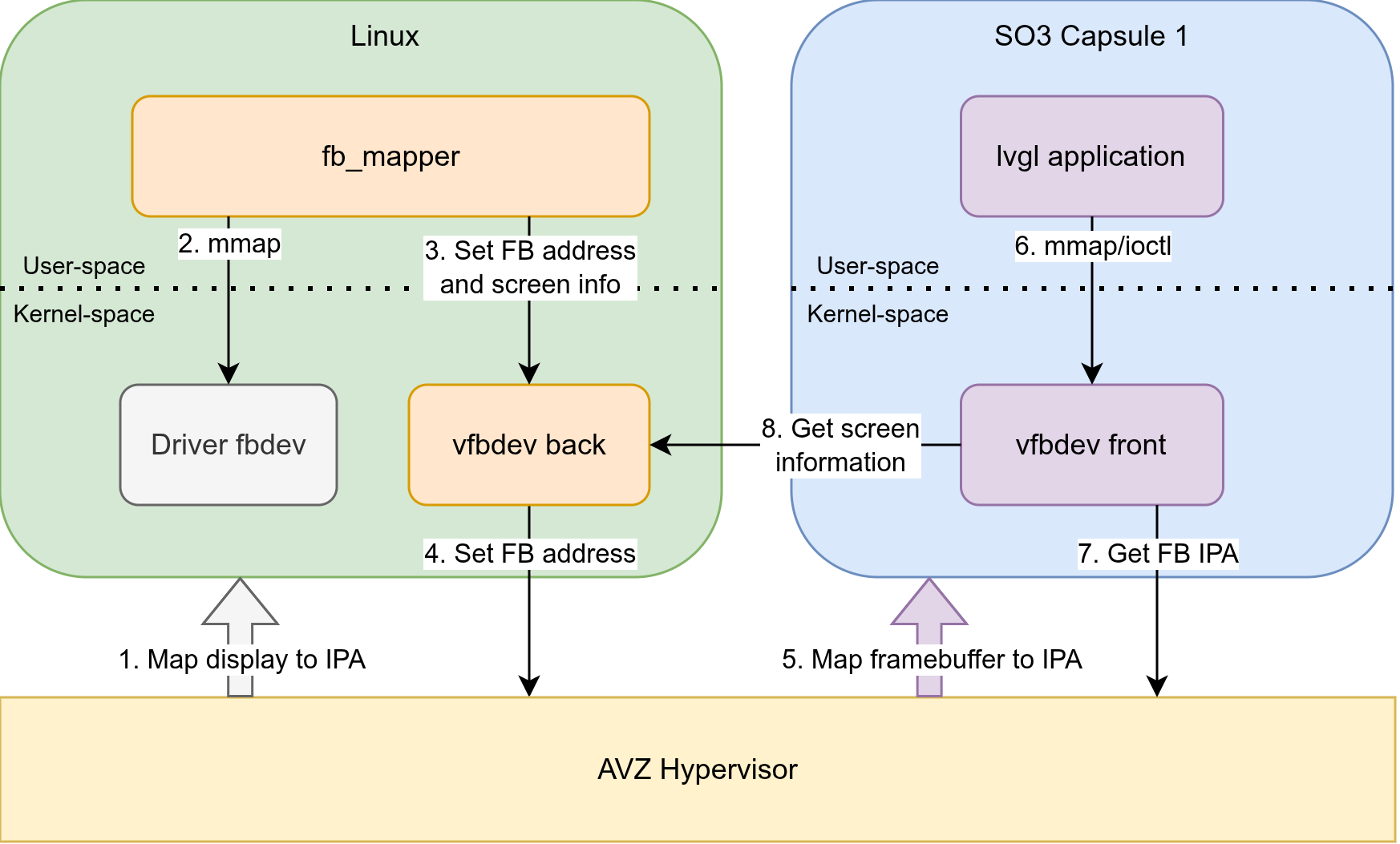
Fig. 8.2 Flow and interaction for framebuffer on capsules
The first point is referencing mapping the HDMI port, GPU, and other addresses required to access the display.
8.4. Input forwarding
To allow user interaction with the LVGL application, the input of the keyboard, mouse, and touchscreen must also be forwarded to the application. This is achieved with a backend and frontend driver using the existing sharing process, as the transmitted data sizes are small enough.
A user-space application is used to get events from all /dev/input files,
which are forwarded to the backend driver, then to the frontend and finally to the
LVGL application via device files.